Syntage Font: A Nostalgic Serif for Handmade Products
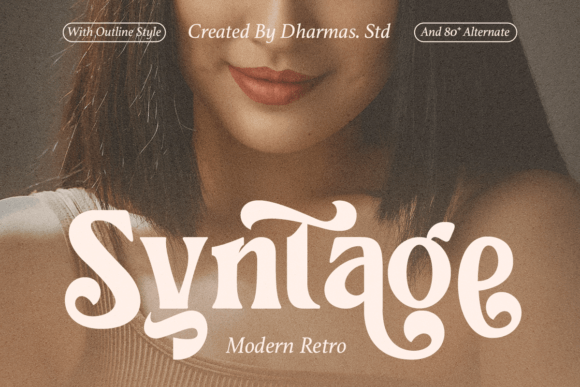
As makers and small business owners, we know that typography is often the silent ambassador of our brand. Whether you are designing a label for a soy candle, creating wedding invitations, or laying out a digital planner, the typeface you choose communicates quality before a customer even reads the words. Syntage is a beautifully nostalgic upper and lowercase typeface that bridges the gap between vintage charm and modern legibility. For those of us in the craft community, finding a serif font that feels authentic rather than artificially distressed is a game-changer. This premium font offers a warmth that resonates with buyers looking for handmade, artisanal, or boutique-style goods.
Elevating Product Packaging and Labels
When designing physical products, readability is just as important as aesthetics. Syntage excels in packaging design because it maintains its structural integrity at smaller sizes. Many decorative fonts fail when scaled down for ingredient lists or warning labels, but this typeface remains crisp and clear. The nostalgic serif details add a layer of perceived value to simple packaging. Imagine using Syntage on a kraft paper tag for a loaf of sourdough bread or a glass jar of homemade jam. The font suggests tradition and care, reinforcing the handmade nature of the product without looking messy or unprofessional.
For sticker makers and stationery designers, the balance between display and body text is crucial. You might use the bolder weights of Syntage for a product name on a shipping label, while utilizing the lighter weights for your shop URL or return address. This consistency creates a cohesive brand identity across all touchpoints. Because it works incredibly well in both large and small settings, you do not need to switch typefaces when moving from a large gift box to a tiny seal sticker. This versatility saves time during the design process and ensures your merchandise looks unified on your Etsy shop or market table.
Designing Wedding Stationery and Invitations
The wedding industry demands typography that feels timeless yet personal. Syntage brings a romantic, old-world elegance to invitation suites that pairs perfectly with current trends favoring vintage aesthetics. Unlike overly ornate script fonts that can be difficult to read, this serif font provides clarity for essential details like dates, times, and venue names. It is particularly effective for welcome signs, seating charts, and menu cards where guests need to scan information quickly.
One of the standout features for invitation designers is the inclusion of 80 Special Alternates. These unique characters allow you to customize standard text to feel bespoke. You might swap a standard capital 'A' or 'S' for an alternate version with a subtle swash or unique terminal to create a custom logotype for the couple’s names. This level of customization transforms a template into a piece of art. When designing printable wall art or framed quotes for nursery decor, these alternates prevent the design from looking repetitive, adding a rhythmic flow that mimics high-end typesetting.
Practical Tips for Cutting Machines and Small Text
For Cricut and Silhouette users, not every serif font is created equal. Intricate serifs can sometimes tear vinyl or fail to weed cleanly. Syntage is designed with clean lines that generally cut well, but practical testing is always recommended. When cutting this font for car decals or tumblers, consider increasing the letter spacing slightly to ensure the serifs have enough material to adhere properly. For heat transfer vinyl on tote bags or shirts, the font’s sturdy structure holds up better than delicate scripts during the pressing process.
If you are creating small stickers or planner icons, test print at actual size before finalizing your design. While Syntage is readable at small sizes, ink bleed on porous papers like cardstock can thicken the serifs. Adjusting your printer settings or choosing a smoother paper stock can preserve the crispness of the typeface. For digital downloads intended for customers to print at home, include a note about recommended paper types to ensure they achieve the best results with your Syntage-based designs.
Strategic Font Pairing for Brand Identity
Syntage is a versatile anchor for your creative font library, but it shines brightest when paired correctly. Understanding font pairing is essential for professional-looking templates and social media graphics. Here are three reliable combinations for crafters:
- Syntage + Clean Sans Serif: Use Syntage for headlines and product names, paired with a geometric sans serif font for body copy and descriptions. This combination balances nostalgia with modern minimalism, perfect for skincare labels or tech accessory packaging.
- Syntage + Expressive Script: Let a flowing handwritten font handle the emotional words like "Love," "Celebrate," or "Handmade," while Syntage grounds the design with structured information. This is ideal for greeting cards and holiday tags where you want a mix of sentiment and clarity.
- Syntage + Bold Display Font: For posters or sale announcements, pair Syntage with a heavy, condensed display font. The contrast between the thick display letters and the refined serifs of Syntage creates visual hierarchy and draws the eye to key information.
These pairings help establish a distinct brand voice. If your shop focuses on farmhouse decor, lean into the script pairing. If you sell modern minimalist prints, the sans serif combination will serve you better. Consistency in these pairings across your logo design, web design, and product photography helps build customer recognition over time.
Maximizing Commercial Value and Licensing
Before incorporating any new typeface into your business workflow, understanding commercial licensing is non-negotiable. Syntage is positioned as a premium asset for creators, but you must verify the specific license terms included with your purchase. Generally, desktop licenses cover the creation of physical end products like mugs, shirts, signs, and printed stationery. However, if you plan to sell editable templates where the customer needs to install the font themselves, or if you intend to embed the font in a mobile app or website, you may require an extended or specialized license.
Always check the file formats included. For cutting machines and vector-based design software like Adobe Illustrator or Affinity Designer, OTF or TTF files are standard. If you are doing web design or selling digital planners for GoodNotes, verify if WOFF files or specific tablet-compatible formats are provided. Additionally, review the multilingual support if you serve international customers or create bilingual products. Ensuring your font supports necessary accented characters prevents awkward substitutions that can ruin the professional look of your work.
Ultimately, Syntage offers a rare combination of aesthetic beauty and production-ready utility. It respects the intelligence of the viewer while evoking the emotion of the maker. By leveraging its 80 special alternates and robust readability, you can create products that stand out in a crowded marketplace. Whether you are updating your shop branding or launching a new seasonal collection, this typeface provides the typographic foundation needed to turn casual browsers into loyal customers who appreciate the artistry behind your handmade goods.